Font of Romance: Say Yes for Web Design
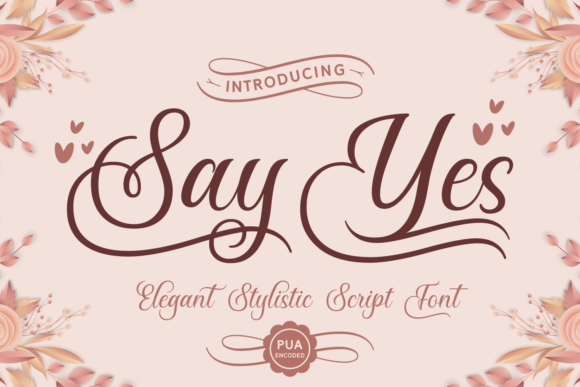
As a web designer, I’ve spent countless hours selecting the perfect typeface to elevate a project’s visual appeal and usability. One font that consistently stands out is Say Yes. With its elegant script style and romantic curves, this script handwritten font brings a unique personality to digital layouts. Whether you're designing a landing page, crafting a brand identity, or building an online store, Say Yes offers more than just aesthetics—it enhances readability, guides user attention, and strengthens brand tone.
The Visual Personality of Say Yes
Say Yes is a premium font designed with flowing, graceful strokes that evoke a sense of elegance and warmth. Its handwritten font style adds a personal touch, making it ideal for creative projects that require both beauty and approachability. The font’s consistent rhythm and soft curves create a natural flow, which is especially effective in modern typography and editorial design.
Unlike some overly stylized script fonts, Say Yes maintains clarity even at smaller sizes. This makes it suitable for a variety of applications, from headers to body text, as long as you consider spacing and contrast. Its versatility allows it to adapt to different design contexts without losing its charm or legibility.
Where to Use Say Yes in Your Designs
One of the strengths of Say Yes is its ability to work across multiple design scenarios. Here are a few practical examples:
- Hero Sections: Use Say Yes for bold headlines to capture attention immediately. Its flowing nature adds a sense of movement, guiding users through your content.
- Call-to-Action Buttons: The font’s soft curves make it ideal for buttons, where a warm and inviting feel can encourage user interaction.
- Blog Headers: Pair Say Yes with a clean sans serif font for a balanced look. It adds character while keeping the rest of the layout readable.
- Online Store Banners: The font’s romantic appearance works well for boutique brands or lifestyle-focused websites, creating an emotional connection with the audience.
- Portfolio Sites: Use Say Yes for project titles or logo text to reflect a creative and artistic brand identity.
When using Say Yes, always consider how it interacts with other elements on the page. It shines best when used sparingly, either as a display font or for decorative accents. Overuse can reduce readability, especially on dense pages or small screens.
Readability and Responsiveness
While Say Yes is visually striking, it’s important to ensure it remains legible across all screen sizes. On mobile devices, avoid using it for body copy unless paired with a strong sans serif font for contrast. Instead, reserve it for headers, buttons, and short phrases where its elegance truly shines.
For responsive designs, test Say Yes on various backgrounds—light, dark, and image overlays—to ensure it remains clear and impactful. Adjust letter spacing and line height as needed to maintain readability, especially at smaller sizes or lower resolutions.
Font Pairing Strategies
Pairing Say Yes with complementary fonts can enhance the overall design without overwhelming the user. A popular combination is using Say Yes as a display font alongside a simple sans serif font like Helvetica Neue or Open Sans for body text. This creates a balance between creativity and professionalism.
If you’re aiming for a more editorial or classic feel, pair Say Yes with a serif font such as Garamond or Baskerville. This adds depth and sophistication, particularly for blog posts, magazine-style websites, or packaging design.
Remember to check the font’s file formats, webfont availability, and alternates before implementing it in your project. Also, verify if the font supports multilingual characters if your target audience includes non-English speakers.
Commercial Licensing and Brand Identity
When using Say Yes for commercial purposes, such as client projects, online stores, or brand assets, ensure you have the appropriate commercial font licensing. Most premium fonts come with licenses that allow use in websites, apps, and digital templates, but always review the terms carefully.
Incorporating Say Yes into your brand identity helps create a cohesive and memorable experience. Whether it's used in logo design, social media graphics, or email marketing, the font contributes to a consistent visual language that reinforces your brand’s personality and values.
Ultimately, Say Yes is more than just a beautiful script font—it’s a powerful tool for enhancing user engagement, guiding visual hierarchy, and strengthening brand trust. By understanding its strengths and limitations, you can leverage it effectively to create stunning, functional, and emotionally resonant digital experiences.