Designing with Hellowin: A Script Font for Modern Web Projects
Recently, I was working on a boutique online store redesign. The client wanted something that felt personal, creative, and aligned with their brand’s playful yet professional vibe. As I explored font options, I came across Hellowin—a Script Handwritten font that immediately caught my eye. It wasn’t just another decorative typeface; it had personality, character, and the right balance of fun and readability.
The First Impression: Testing Hellowin in a Hero Section
I started by testing Hellowin in the hero section of the homepage. The font’s flowing curves and elegant strokes made it feel inviting, while its clean lines kept it from being too busy. It worked well over a subtle image banner, drawing attention without overwhelming the user. I noticed how it balanced between being playful and professional—perfect for a brand that wanted to stand out but still maintain credibility.
Visual Characteristics and Digital Appeal
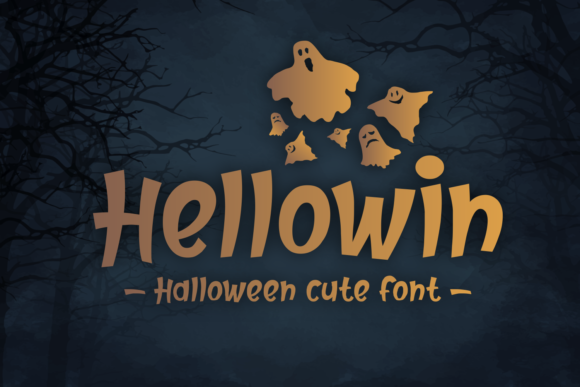
Hellowin is a premium font designed for both digital and print use. Its Script Handwritten style gives it a handcrafted feel, making it ideal for creative portfolios, blog headers, or promotional landing pages. The font has a modern typography approach, with clear letterforms that are easy to read at various sizes. This makes it versatile for different layout needs, whether it's a bold headline or a small call-to-action button.
One of the things I appreciated about Hellowin was its ability to adapt to different backgrounds. On light-colored sections, it felt crisp and fresh, while on dark backgrounds, it maintained legibility with good contrast. That flexibility is essential when designing for responsive layouts, where the same text might appear on mobile screens, tablets, or desktops.
Using Hellowin in Real Web Design Scenarios
During the project, I used Hellowin in several key areas. For the homepage header, it added a touch of elegance that matched the brand’s aesthetic. In the product listing section, I paired it with a simple sans serif font for body copy, creating a nice visual hierarchy. The contrast between the two fonts helped guide users through the content more effectively.
I also considered using Hellowin for buttons and call-to-action elements. Its playful nature made it feel approachable, which was great for a boutique store aiming to connect with customers on a personal level. However, I was careful not to overuse it—keeping it to headlines, titles, and accents ensured it didn’t become distracting.
Readability and User Experience Considerations
When designing for the web, readability is always a top priority. I tested Hellowin on small buttons and mobile screens, ensuring it remained legible even at smaller sizes. While it’s a Script Handwritten font, its clean design allowed it to perform well in tight spaces. I also checked how it looked against different background colors and image overlays, making sure it never competed with the content behind it.
For dark backgrounds, I used a slightly lighter weight of the font to ensure clarity. On light backgrounds, I leaned into the natural contrast provided by the font itself. These adjustments helped maintain a consistent user experience across all devices and screen sizes.
Font Pairing and Brand Identity
Pairing fonts is an important part of any web design project. I paired Hellowin with a simple sans serif font like Montserrat or Lato for body copy. This created a balance between the decorative nature of Hellowin and the clean, modern feel of the sans serif font. It allowed the brand to feel both creative and trustworthy.
For a more editorial look, I considered pairing Hellowin with a serif font, but ultimately went with the sans serif option to keep the overall design feeling contemporary. The combination worked well for the boutique store’s brand identity, which straddled creativity and professionalism.
Technical Considerations and Licensing
Before finalizing the font, I checked the technical details. Hellowin includes webfont support, making it easy to integrate into websites. It comes in multiple weights and styles, giving designers more control over how it’s used. The font also supports multilingual characters, which is useful for international audiences.
I made sure to review the licensing terms, as it’s a commercial font. Understanding the usage rights was crucial for ensuring the font could be used across the client’s website, landing pages, and marketing materials without any issues.
Final Thoughts on Using Hellowin
Hellowin is more than just a Script Handwritten font—it’s a versatile tool for designers looking to create engaging, readable, and visually appealing web experiences. Whether you’re working on a portfolio site, a course sales page, or a campaign landing page, this font can add a unique touch that enhances your brand’s personality.
Its ability to work across different contexts, from hero sections to call-to-action buttons, makes it a valuable addition to any designer’s toolkit. When used thoughtfully, Hellowin can help elevate your digital brand and create a more polished, user-friendly online presence.